viernes, 3 de marzo de 2017

State Changes 5

       Matter


PHYSICAL CHANGE (change in Shape)

All object have mass and volume.
They also have other properties like a colour, hardenee and trons, narency.
Sound light are not made up of matter.
Matter exits in three different states: solid, liquid, and gaseus.
Every arounds us is made up of matter.
Books, tables, water, and air are all made up matter.
Sound, light and thoughts are not made up of matter.
Al objects have mass and volume.
They also have other properties like colour, hardeness, and trasparency.

MASS
Is the amount of matter in an object.
However, mass is not always related to the size of the object. For example, a pineapple can have more mass than a pillow that is larger in size.
Measuring mass
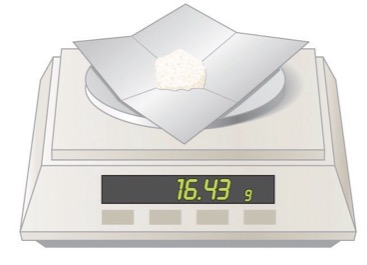
Mass is measured in kilograms (kg) or grams (g).


DENSITY

Measuring changes:

To calculate the density of an object. We first need…
How do you calculate?
We calculate the density of an object by dividing its mass by its volume


VOLUME

Mass is the amount of matter on a object that ocuppies.
Volume is measured in litres (l) or milimeters (ml).
Cubic centimeters (cm3) can also be used to measure volume.

Liquids
Is the volume of measured in measuring cylinders.

Solids
The volume of regular shaped son lids is calculated with MATHEMATICAL FORMULAS
When a solids is placed in a liquid the liquid level rises. This allows us to calculate the volume of the solid.


First experiment:

THE CANON


THE ARTICIFIAL ICE.

The teacher throw a little bit of artificial snowflake.
Then put water around the snow.
But the volume of the snow bigger.
Is danger if we touch the snow, but we put a glow of laboratory.
It was… AMAZING!!!

State Changes 4

                EXPERIMENT

OF

STATES OF THE MATTER


Marcos Fuentes
Juan Rotaeche
Pablo Ubarrechena
Odei Fernández


PHISYCAL CHANGES:
Explanation


CHANGE IN SHAPE


Matter can change shape. if we chop up wood, the pieces of wood have the same chamical composition as before but they are now a different shape. The same happens if we fold a piece of paper or break a glass. What other examples of matter changing shape can you think of?


CHANGE IN POSITION OR TEXTURE
Matter can change it´s position without changing its properties.
Matter can also change its texture.


MASS:
Explanation

MASS
Mass is the amount of matter in an object,for example is more matter in a tabble that in a pencil.
Mass is not always related to the size of an object.
For example a pineapple can have More mass than a pillow that is large  in
size
MEASURING MASS
Mass we can measure in kilograms (kg) or grams (g)


DENSITY:


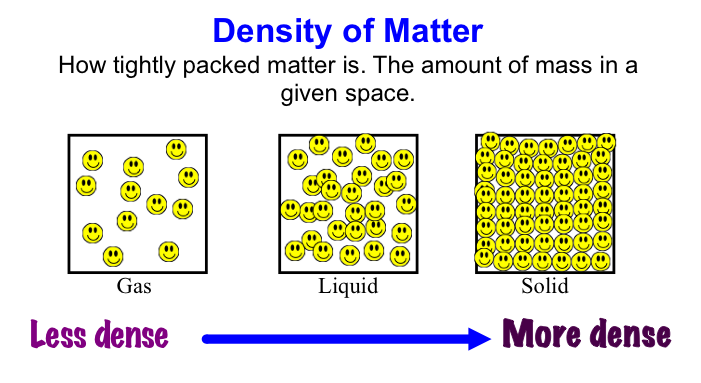
Density refers the concentration of matter in a particular volume


MEASURING DENSITY

We calculate the density of an object by dividing its mass  by its volume
To calculate the density of an object, we first need to know its mass and its volume.

VOLUME

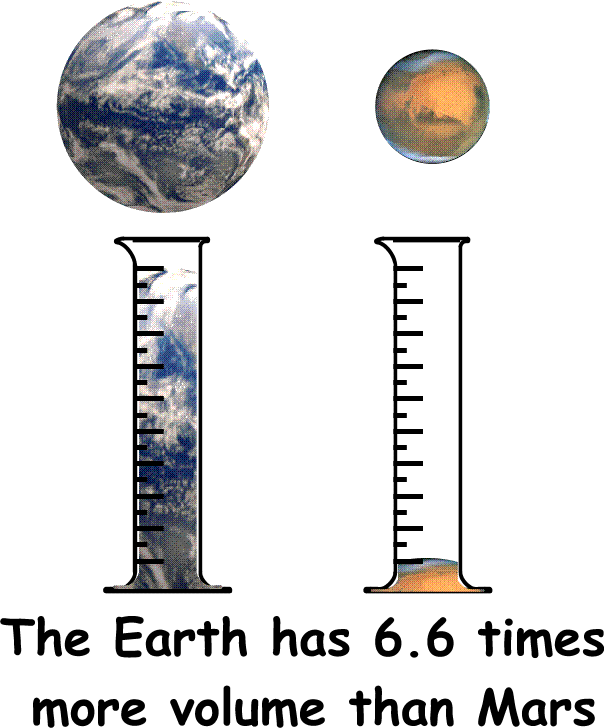
Volume is the amount of space that an object ocupies
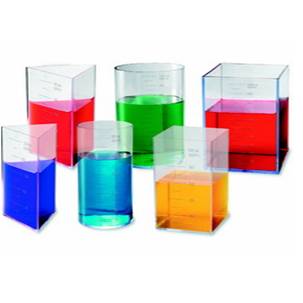
The volume of liquids is measured in measuring clinders
The volume of regular-shaped solids is calculated in simple mathematical formulas.

MEASURING VOLUME

Volume is measured in litres(l)or mililiters(ml)cubic centimeters(cm3)


TO DO:

To do this we need: water, a woods canon and a blowtorch. Then with the blowtorch we put the water of the canon hot and it become’s gas.

To change this artifical snow we need water.

And then the water change it’s density.

State Changes 3

Physical changes

Every around us is made up of mater. Books, tables, water and air are all made up matter.

All objects are made up of matter. Sound light and thoughts don't have any matter. Matter has got three states: solid, liquid and gaseous.
Matter can change in shape.

Matter can change it’s position without changing it’s position

Mass

Mass is the amount of matter in an object.
Mass is meusared in kilograms or grams.
For example: a house has more matter than a book.

Density

We calculate the density of an object by its volume.
To calculate the density of an object,we first need to know it's mass and its volume.


Volume
Volume is the amount of the space an object occupies.
The volume of liquids is measured in measuring cylinder.
The value of the measuring line on the cilynder is the volume.

State Changes 2

MATTER


PHYSICAL CHANGES
They are changes of matter and then.When you put water in a vase they were down then put soil the soil they were up when you put one pill and all mix.


VOLUME
Volume is the space that an object occupies.The volume nears in height and width.
Examples:
-An football pitch have more  volume that a tennis ball.
-An basketball court have more  volume that a basketball ball.


DENSITY
Density refers to the concentration of matter in a particular volume.
We calculate density of an object dividing mass by its volume, we need to know mass and its volume.
  • A can of Pepsi diet fleet and a normal not.


Mass
Mass is the amount of matter in one object.Mass nears in kilograms (kg) or in grams (gr)
-A tennis ball has more mass that a marble.


States Changes 1

        Matter
    Physical changes


           Change in shape: Objects are made up of matter
/
Matter can change (Shape)
                         (Position)
                         (Texture)

          Mass:( DEF) Is the amount of matter in an object.
The size: is not always related To the size of an object.
Is measured in kg or Gr

Volume: (DEF) Is the amount of space that an object occupies.

Is measured in: l, ml, cm3.
,

  1. Liquids (DEF) Is measured in measuring cylinders.  


Solid (def) regular - shaped solid is calculated using mathematical formuls

The volume of solid (def) irregular- shaped solid is calculated
By the water displacement method


Density:( DEF)The concentration of matter in a particular volume
   
.Density=Mass         Divided
          Volumen

.Water Density          1f/cm3


          Experiment

.Objects of the same can have
            Different densities


STAGES OF MATER :


SOLIDS


They have fixed volume and shape
they átomos are very close together and not move.
They can not flow or be compresed.


Liquids:
They have fixed volume and not fixed shape

They atoms are further apart than in solids and can move more frecuently.
 
They can flow, but can not


Gases:
They do not have fixed volume of shape
Their atoms are further apart than in liquids and can move moré freely

They can flow and be compressed.


When a gas is compressed : The mass is the same but the volume decreases


SPECIAL PROPIERTIS : SOLIDS CAN BE

ELASTIC : It can be streched and it retuns to it retuns to original shape.

Flexible : it can Beni and does not break

Fragile : It can break easily

Strong : It can support a lot of weight and
Force without breaking.


Specifig propierties: (liquids can be
 
Viscous: it does not flow easily
Volatile: when it evaporates easily)


                  Experiment

The cannon:

The first stage is put water in the cannon

Then we put in the front part of the cannon a cup

Then we warmed the back part of the cannon

Then the atoms in the water don’t have space and the cup live from the cannon and the atoms

The snow:

To do this experiment we need artificial snow and water

We put the snow in a little plate

Then we put water in the snow

The snow become more bigger


States Changes

                      
   Experiment of the barrel:
We need:
Torch.
CAP
Canyon
Information:
Turn on the torch and we take fire on the part of  back of the canyon.
Artificial snow❄️:
The teacher a small glass laboratory for artificial snow❄️.
We put  water on the glass and forms a new artificial snow.

Physical changes are:
VOLUME:
Volume are that one and
This one
Volume is amount OF space that an object occupies
Mass:
Mass is amount of matter in an object
For example: a house has more mass of pencil.

Density:
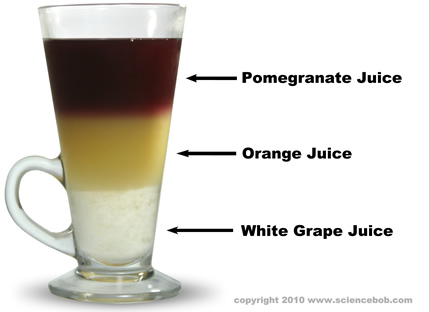
because one has more density another, depends on the different material you have. for example the oil and water.
This are atoms of Gas Liquid and Solid.

lunes, 9 de enero de 2017

Ocean

 ECOSYSTEM

VOLCANO IN THE OCEAN.  
GeneralDescription
 
The volcano have a lot of types, and different ecosystem. Sometimes around the ocean, where a islands. In the ocean have a lot of fish like a shark, whale...etc.
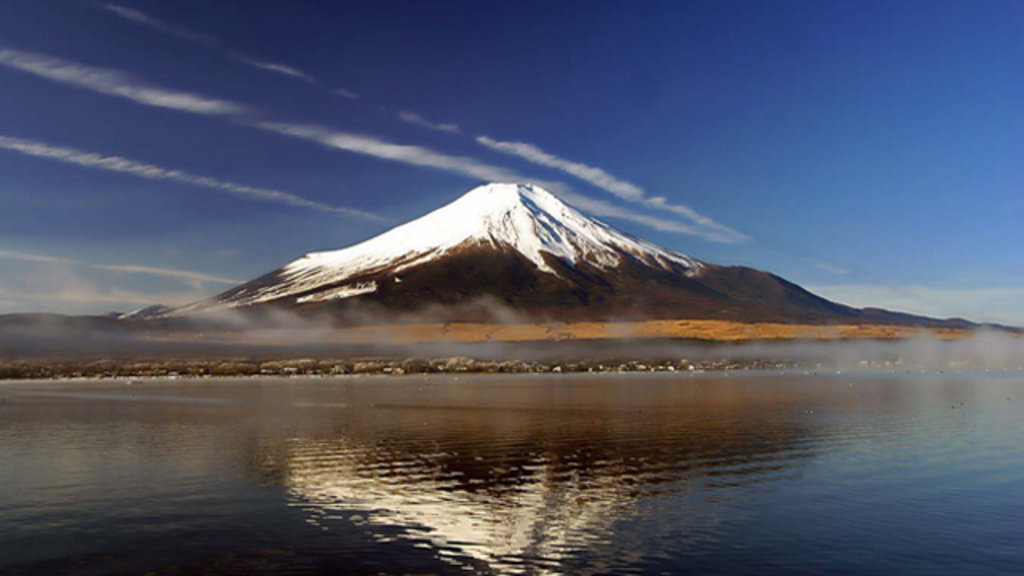
We have to do an ocean volcano. This picture of the volcano is in Japan.
In Japan have a lot of types of volcano, like a Fuji volcano.
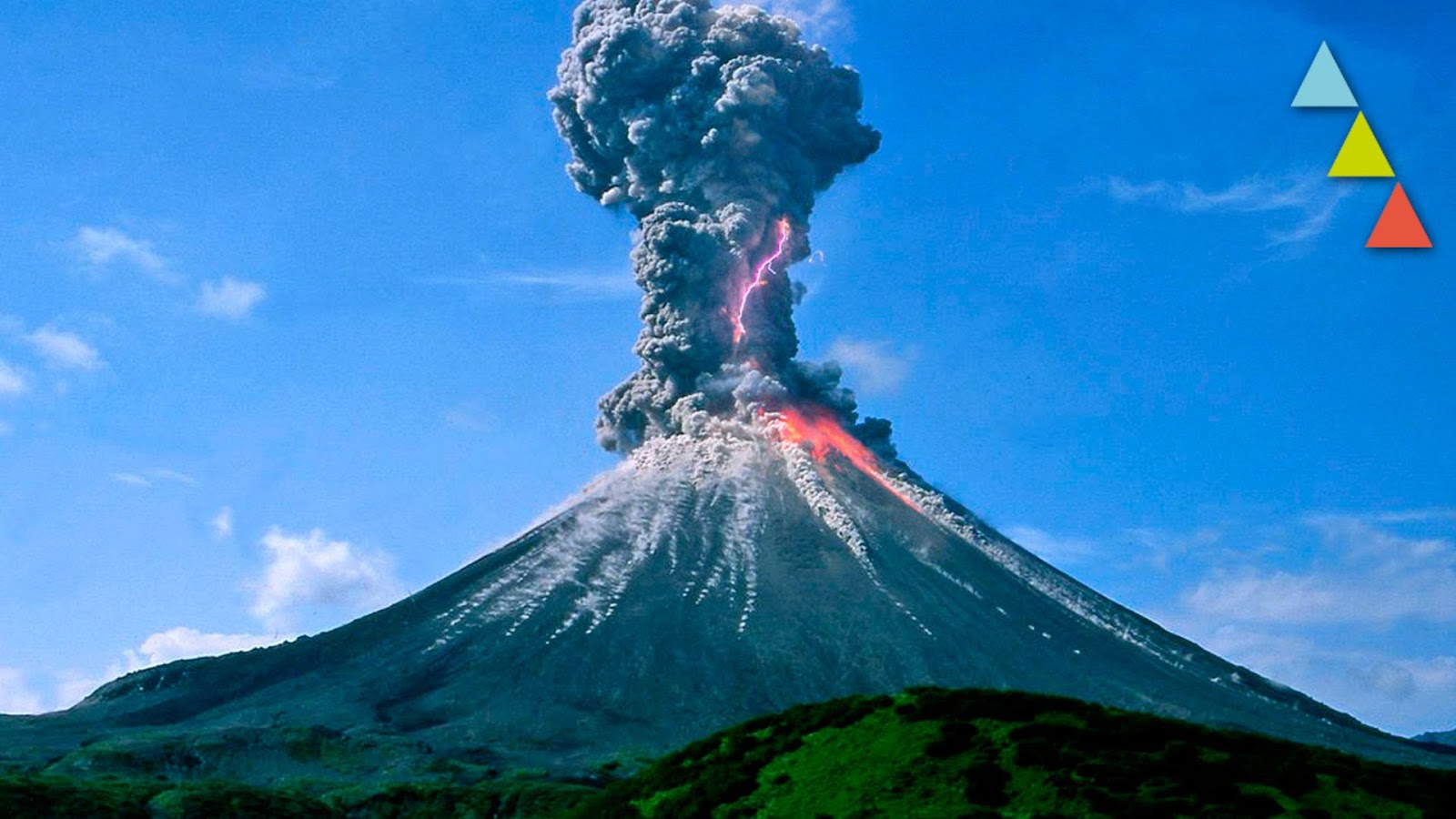
The volcano erupts casually when happens a earthquake, and then go on fire.


THAT IS A REALLY VOLCANO.

The Fuji volcano in the ocean is amazing, it’s very cold and have a lot of snow.
IT Is líquid, and is hot the lava.
Where Shizouka. With 100klm a long to the west.
IT Is the famous volcano in Japan.                                                


INFORMATION

Our volcano, we are going to do a ocean volcano. Our volcano is going to be amazing!.. we are going to do a volcano with: one bottel, plasticine blue, red and brown, sand to do the island, and finalish grass and moss around the volcano.

EXPLICATION OF THE VOLCANO OCEAN.

Our group we divide the elements, that our group need for the volcano.
Gonzalo have to bring a: muss, plasticine of colour blue and sand.
Gorka: One bottle of 1 plasticine brown and animals to the ocean.
Ander: Grass, plasticine of colour red and animals to the ocean.
And finally Seungyu: Box of plastic and colours.


We are going to put the bottle on the box.
Then we have to put the plasticine brown around the bootle, and then the lava (plasticine red).
Then we have to put the plasticine blue (water or ocean) around the box.
And then, around the volcano (bootle) we put animals, like a: fish, horse, turtle, shark...etc.

We did the foto, but the volcano broken.
We start with the oil, and then we put the colorants.
We remove with the branch, and then we put the bicarbonates.
And, EXPLOSIONNNNNN!!!!